
Rain changes the way your car behaves more than a lot of drivers realize. Most people know wet roads can be slippery, but many do not think much beyond that. Then the first hard stop in a rainstorm happens, and suddenly the car does not feel quite as planted, quite as quick to respond, or quite as confident as it did on a dry road.
At our shop, we like to remind drivers that rain does not just make the road wet. It changes the relationship between your tires, brakes, and pavement. That change affects how quickly your car can slow down, how much traction your tires have available, and how much room you need to stop safely. Even if your brakes are in good shape, wet conditions can still increase stopping distance. If your tires or brakes are already worn, the difference can become even more noticeable.
The good news is that once you understand what rain does to stopping power, it becomes easier to adjust your driving and stay ahead of safety issues before they turn into something more serious.
Rain Reduces Tire Grip First
When people talk about stopping power, they often think only about the brakes. Brakes matter, of course, but your brakes can only work as well as your tires can grip the road. In the rain, that grip is reduced because there is now a layer of water between the tire and the pavement.
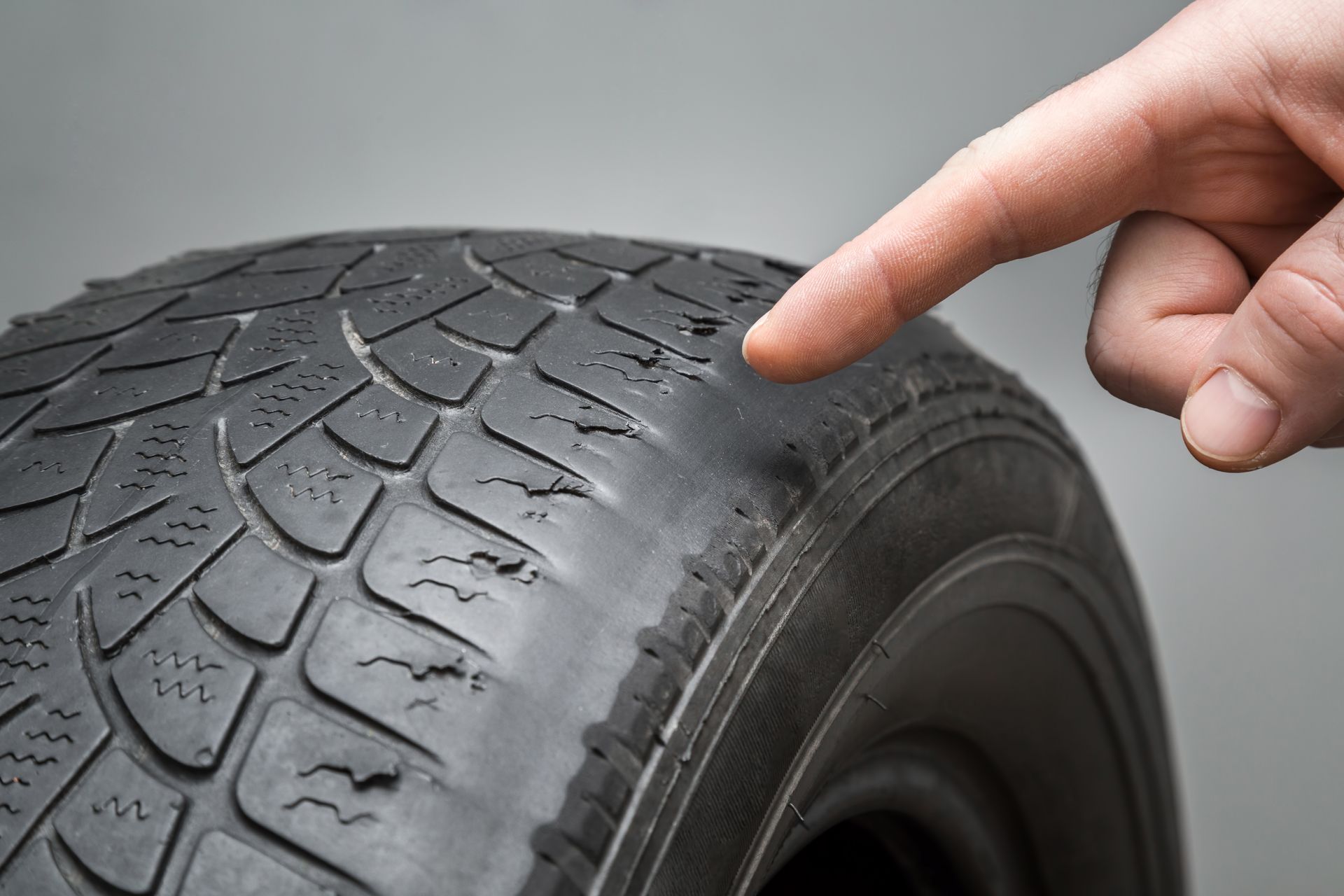
Your tire tread is designed to channel water away so the rubber can stay in contact with the road. When that works well, your vehicle can still brake safely in wet conditions, though it will usually still need more distance than it would on dry pavement. When tread is worn down, the tire cannot move water as effectively, and that is when traction drops off faster.
This is why rain affects stopping power even if nothing is technically broken. The road itself has changed, and your tires now have less grip available to work with.
Wet Roads Mean Longer Stopping Distances
This is probably the most important takeaway for everyday drivers. In the rain, it takes longer to stop. That does not always feel dramatic at first, especially in light rain, but the difference is there. If you are driving at the same speed and following at the same distance you would use on a dry day, you are giving yourself less room than you really need.
A lot of drivers do not notice this until they have to brake harder than expected. Then the car feels like it keeps moving just a little longer than it should.
A few reasons stopping distance increases in the rain:
- Tires have less grip on wet pavement
- Water can reduce friction between the tire and the road
- Heavy rain can lead to hydroplaning or partial loss of contact
- Driver visibility is often reduced, delaying reaction time
So the issue is not only that the car stops less effectively. It is also that the driver may react later because rain makes conditions harder to read.
Your Brakes Can Feel Different In The Rain Too
Rain mostly affects stopping power through traction, but the brakes themselves can also feel a little different when wet. Moisture can collect on the rotors, especially after driving through puddles or during long wet drives. Sometimes that causes a brief reduction in immediate brake response until the pads wipe the rotors clean again.
Most of the time, this is temporary and subtle. But if your brake system is already worn, or if the pads and rotors are not in great shape, wet conditions may make those weaknesses more noticeable.
Drivers may notice:
- A slight delay in brake feel after driving through water
- More noise from the brakes in damp conditions
- Reduced confidence if the brakes were already worn
- Longer stops when combined with poor tire traction
This is one reason why a car that feels “good enough” in dry weather may not feel nearly as reassuring in rain.
Tire Tread Makes A Huge Difference
If there is one part of the vehicle that has the biggest say in rainy-weather stopping power, it is the tires. Good tread depth helps push water out of the way and maintain better road contact. Worn tread makes that much harder.
This is where a lot of people get caught off guard. Their tires may still seem usable in dry conditions, but in the rain, the difference between healthy tread and half-worn or heavily worn tread becomes very noticeable.
At our shop, we often explain it this way: dry-road drivability can hide a lot. Rain exposes tire conditions much more honestly.
That means if your tires are:
- Wearing unevenly
- Getting close to replacement
- Losing pressure regularly
- Not handling puddles confidently
Then wet-weather stopping distance is probably already being affected.
Hydroplaning Changes Everything
Hydroplaning is one of the most extreme examples of rain affecting stopping power. This happens when your tires cannot move water away quickly enough and a layer of water builds between the tires and the road. When that happens, your tires may lose direct contact with the pavement.
If your tires are hydroplaning, braking effectiveness drops dramatically because the tires are not gripping the road the way they need to. At that moment, steering and stopping both become much less reliable.
Hydroplaning becomes more likely with:
- Worn tire tread
- Higher speeds
- Standing water
- Poor tire pressure
This is one reason slowing down in heavy rain matters so much. Speed and water depth can turn an ordinary wet road into a much riskier one very quickly.
ABS Helps, But It Does Not Cancel Out Rain
Many drivers assume anti-lock brakes will solve the problem entirely. ABS absolutely helps by preventing wheel lockup and helping maintain steering control during hard braking, but it does not override the laws of physics. If the road is slick and the tires have less traction, stopping distance can still increase.
ABS is a safety advantage, not a magic fix. Your car may still need more room to stop in the rain, even if the brake system is working exactly as designed.
Visibility Affects Stopping Power Too
This part gets overlooked a lot. Technically, visibility is not part of the brake system, but it absolutely affects how quickly you stop because it affects how quickly you react. In rain, drivers often see hazards later. Spray from other vehicles, foggy windows, poor wiper performance, and gray skies all reduce the amount of time you have to respond.
So when you think about rain affecting stopping power, it is really a combination of:
- Reduced traction
- Longer braking distance
- Slower driver reaction due to visibility
That combination is why rainy driving demands more attention and more following distance than dry-weather driving.
How To Help Your Car Stop Better In The Rain
You cannot change the weather, but you can stack the odds in your favor by making sure your vehicle is ready for it and adjusting how you drive.
The most helpful habits are simple:
- Slow down in wet conditions
- Increase following distance
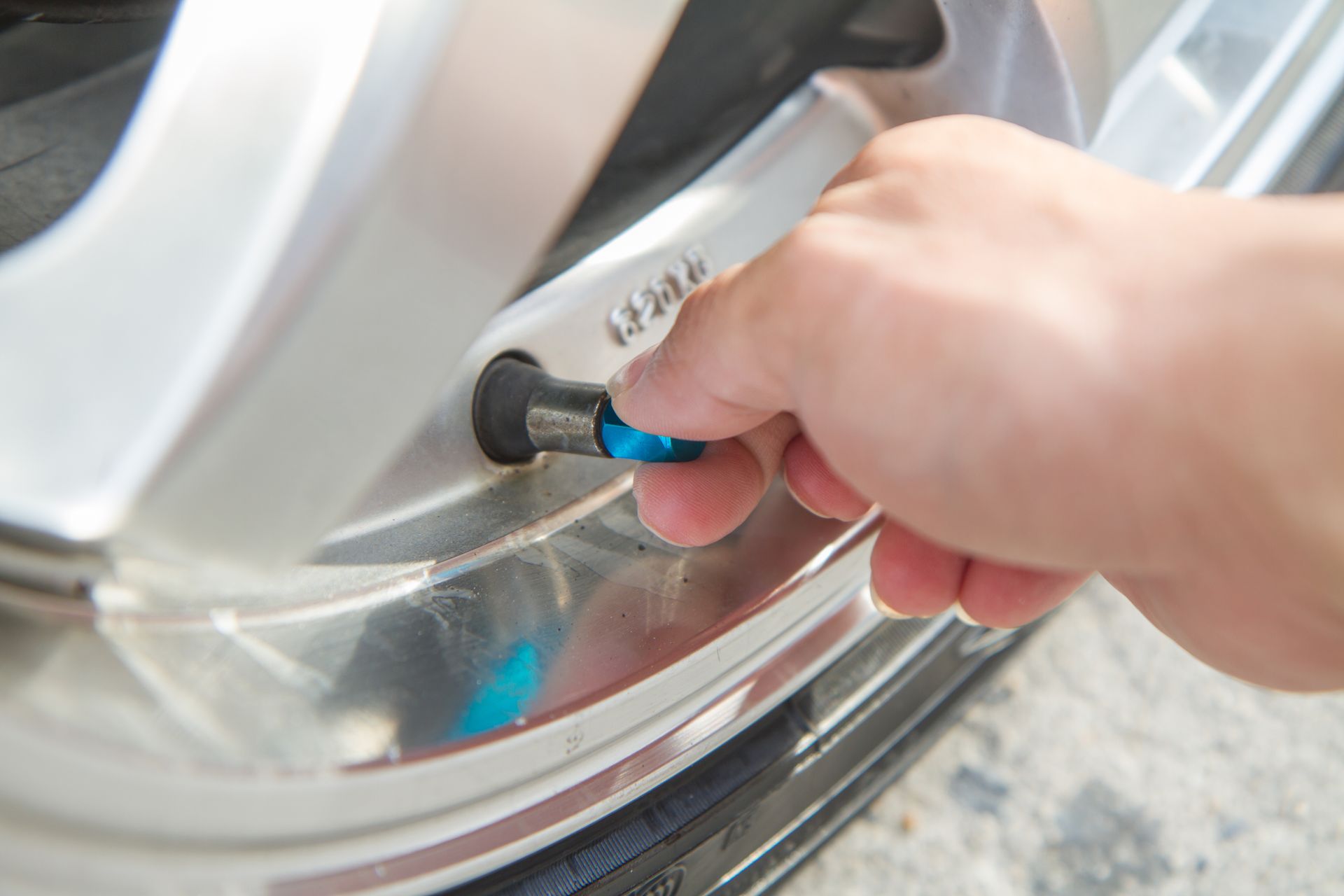
- Keep tires properly inflated and replace them before they get too worn
- Stay on top of brake inspections
- Replace worn wiper blades and keep the windshield clear
These steps may sound basic, but they make a real difference when the road is wet and stopping room becomes more valuable.
Rain Does Not Have To Mean Unsafe Driving
Rainy roads are a normal part of driving life, and your car should be able to handle them safely if it is in good condition and driven with the right amount of caution. The problem usually comes when worn tires, tired brakes, poor visibility, and normal dry-road habits all meet a wet road at the same time.
If you want to make sure your vehicle is ready for rainy-weather driving, bring it to
Zee's Alignment & Autocare. We can inspect your tires, brakes, and overall safety condition to help keep your stopping power as strong as possible when the roads turn wet.