
A tire that keeps losing air can be annoying, especially when you cannot find a nail, screw, or obvious cut. You fill it up, drive for a few days, and the tire pressure light comes back on. From the outside, everything looks normal.
That slow loss is not random. Air can escape from more places than the tread. The valve stem, wheel bead, rim surface, temperature changes, tiny punctures, and even wheel corrosion can all cause pressure to drop without leaving an easy clue in the driveway.
A Tiny Puncture Can Hide In The Tread
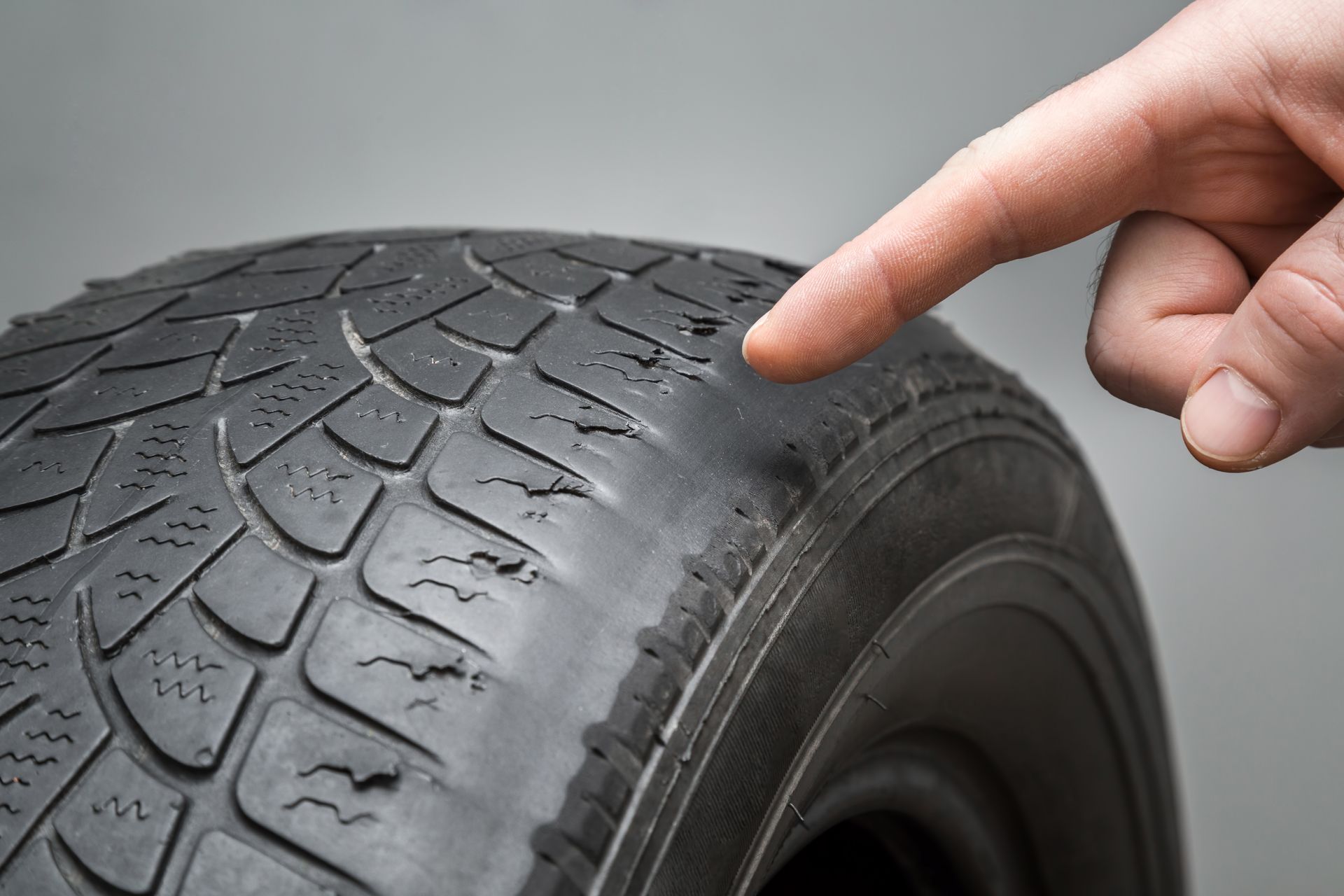
Not every puncture is easy to see. A small nail, staple, shard of metal, or piece of glass can become lodged deep in the tread and slowly leak. Sometimes the object stays lodged in place and only lets air out when the tire flexes on the road.
That kind of leak can be hard to spot while the tire is on the vehicle. The puncture may be on the inside edge, between tread blocks, or in a spot that only opens under pressure. A shop can use leak detection methods to find small bubbles that are easy to miss during a quick visual check.
Valve Stems Can Leak Slowly
The valve stem is the small part where air enters the tire. It has to seal every time the tire is inflated and every mile the vehicle is driven. Over time, the rubber can crack, the valve core can loosen, or the stem can get damaged by age, weather, road debris, or a tire pressure gauge.
A valve stem leak can look like a tire problem because the tread appears fine. The tire may lose a few pounds of pressure each week, which can trigger the tire pressure light. Sometimes tightening or replacing the valve core helps. Other times, the entire valve stem needs to be replaced.
Air Can Escape Around The Bead
The bead is where the tire seals against the wheel. If that seal is not tight, air can leak out slowly around the rim. This can happen when dirt, rust, old tire-mounting lubricant, corrosion, or wheel damage prevent the tire from sealing cleanly.
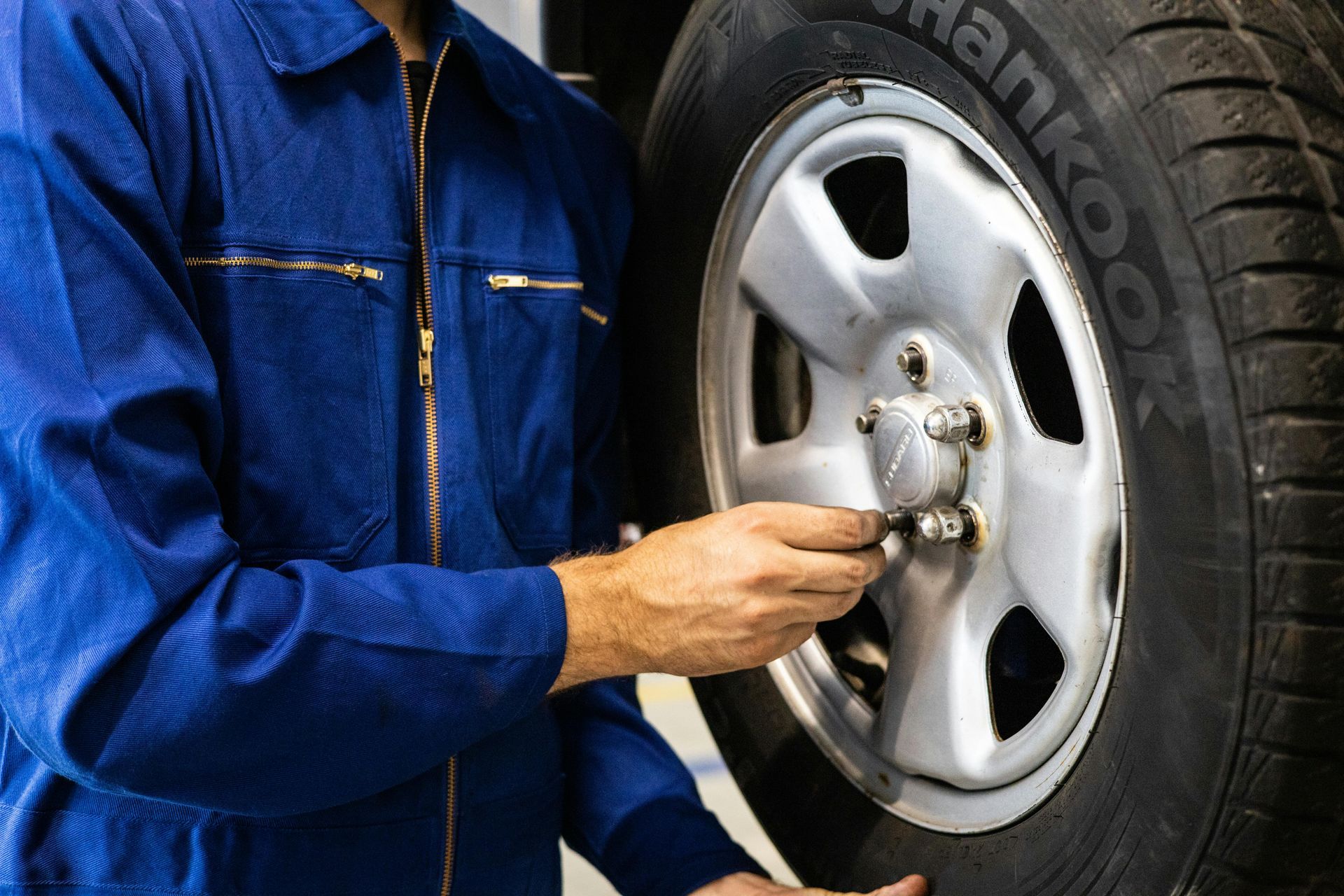
Bead leaks can be frustrating because the tire itself may have no puncture at all. The leak is between the tire and the wheel. It can be worse in cold weather, after hitting potholes, or when the wheel has corrosion along the sealing surface. The tire may need to be removed so the wheel can be cleaned and resealed properly.
Corroded Or Bent Wheels Can Lose Air
Wheels take plenty of abuse from potholes, curbs, road salt, moisture, and age. A slightly bent rim can allow air to escape near the bead. Corrosion can create small gaps where the tire should seal tightly.
Aluminum wheels can corrode too, especially around the bead area or valve stem hole. The damage is not always obvious from the outside. A wheel can look fine at a glance and still leak air where the tire meets the rim. If the same tire keeps losing pressure after repairs, the wheel itself deserves a closer look.
Temperature Changes Affect Tire Pressure
Tire pressure changes with outside temperature. When temperatures drop, tire pressure drops too. That is why the tire pressure warning light can come on after a cold night, even without a puncture.
A small temperature-related drop is normal, but one tire losing pressure faster than the others is different. That points toward a leak or sealing issue. Regular maintenance should include checking tire pressure when the tires are cold and adjusting it to the vehicle’s recommended pressure, not the number printed on the sidewall.
TPMS Sensors Can Be Part Of The Issue
Many vehicles use tire pressure monitoring sensors inside the wheels. These sensors help warn drivers when pressure drops, but they can also cause confusion. A sensor seal can leak, a valve stem attached to the sensor can fail, or the sensor's battery can weaken, sending unreliable readings.
If the tire pressure light keeps coming back on, the system should be checked along with the tire itself. The tire might truly be losing air, or the sensor may not be reporting correctly. Either way, it takes a proper inspection to avoid chasing the wrong problem.
Why You Should Not Keep Driving On Low Pressure
Driving on low tire pressure can damage the inside of the tire. The sidewall flexes more, heat builds, and the tread can wear unevenly. Low pressure can also affect braking, steering, fuel economy, and how stable the vehicle feels at highway speeds.
A tire that keeps losing air should not be treated as a minor nuisance for too long. Even if the leak is slow, the tire can reach an unsafe pressure before you notice it. Finding the leak early can protect the tire, wheel, and the way the vehicle handles.
Get Tire Leak Repair In Bear, DE, With Zee's Alignment & Autocare
If your tire keeps losing air but you cannot find a puncture, Zee's Alignment & Autocare in Bear, DE, can check the tread, valve stem, bead seal, wheel condition, and TPMS parts to find the source.
For tire leak repair and clear answers before low-pressure damages the tire,
contact us to schedule an appointment.