
A small spot beneath your car does not always mean the vehicle is about to fail. Clear water from the A/C drain is usually normal, and a light seep may give you time to schedule service. Other leaks can affect braking, steering, engine lubrication, cooling, or fire safety within a short drive.
The urgency depends on the type of fluid, how quickly it is escaping, and whether warning lights or drivability changes appear. Color and location can provide clues, but fluids often spread across covers and underbody panels before reaching the pavement. When safety is uncertain, it is better to stop driving and have the vehicle checked.
Brake Fluid Leaks Need Immediate Attention
Brake fluid transfers pedal pressure through the hydraulic system to the brakes at each wheel. If fluid escapes from a hose, line, caliper, wheel cylinder, master cylinder, or ABS component, the pedal may become soft or travel farther than normal.
Fresh brake fluid is usually clear to light amber, although it darkens with age. A leak may appear near a wheel or beneath the area where the master cylinder is mounted. Do not drive if the brake warning light is on, the reservoir is low, or the pedal feels weak. Hydraulic pressure can decline quickly, reducing your ability to stop.
Fuel Leaks Create A Fire Risk
Gasoline and diesel leaks require prompt attention because fuel can ignite around hot exhaust parts, electrical sparks, or open flames. A strong fuel odor may be the first warning, especially after parking or filling the tank. You may also see a wet area near the fuel tank, lines, injectors, or engine compartment.
Shut the engine off if you smell strong fuel vapors or see fuel dripping. Do not smoke, restart the vehicle, or park it inside an attached garage. Arrange a tow so the tank, lines, pump connections, and fuel delivery components can be inspected.
Engine Oil Leaks Can Damage The Engine
Engine oil protects bearings, camshafts, pistons, timing parts, and other moving components. A slow seep may remain manageable if the level is checked frequently, but a rapid leak can lower oil pressure and cause severe internal damage.
Used engine oil is usually brown or black and feels slick. Stop driving if the oil pressure warning appears, oil is pouring onto the ground, or the engine begins ticking or knocking. Oil reaching the exhaust can also create smoke and a burning smell. Even a smaller leak should be traced before it damages belts, mounts, hoses, or wiring.
Coolant Leaks Can Lead To Overheating
Coolant carries heat away from the engine and protects the cooling system from corrosion. It may be green, orange, yellow, blue, pink, or purple, depending on the vehicle. A sweet odor, dried residue, weak cabin heat, or a dropping reservoir level can indicate a leak.
Hoses, the radiator, water pump, thermostat housing, reservoir, and plastic fittings are common sources. Stop driving if steam appears, the temperature gauge rises, or the heater suddenly blows cold air. Never remove a coolant cap while the engine is hot because pressurized fluid can cause serious burns.
Transmission Fluid Leaks Can Become Expensive Quickly
Automatic transmission fluid provides lubrication, cooling, and hydraulic pressure. A low level can cause delayed engagement, slipping, harsh shifting, whining, or overheating. Fresh fluid is often red or reddish pink, but it may become brown or nearly black as it ages.
Transmission leaks commonly develop around the pan, cooler lines, axle seals, output seals, connectors, and service plugs. The vehicle should not be driven if it slips badly, will not stay in gear, or leaves a rapidly growing puddle. Continued operation with low fluid can damage clutches, bearings, pumps, and other internal parts.
Power Steering And Differential Leaks Also Need Attention
Hydraulic power steering fluid may appear red, amber, or brown. A leak can produce whining, a low reservoir level, or heavier steering. Losing assistance unexpectedly can make the vehicle much harder to control, especially at low speed. Some modern vehicles use electric steering and have no hydraulic fluid.
Differential and gear oil is usually thick and has a strong sulfur-like odor. Leaks may appear near an axle, driveshaft connection, or differential cover. Low gear oil can damage bearings and gears. Regular maintenance should include checking these areas because slow leaks may not leave a large puddle.
Warning Signs That Mean You Should Stop Driving
Some leaks become dangerous before the fluid type is confirmed. Stop the vehicle in a safe place if you notice any of the following:
- A soft or sinking brake pedal
- A strong gasoline or diesel odor
- An oil pressure warning
- Steam from the engine compartment
- A rising temperature gauge
- Rapid fluid loss beneath the vehicle
- Smoke or a strong burning smell
- Severe transmission slipping
- Suddenly heavy steering
Do not touch unknown fluid, hot wheels, or engine components. If the vehicle cannot be operated safely, towing is less costly than the damage or safety risk created by continuing to drive.
How A Shop Identifies The Source
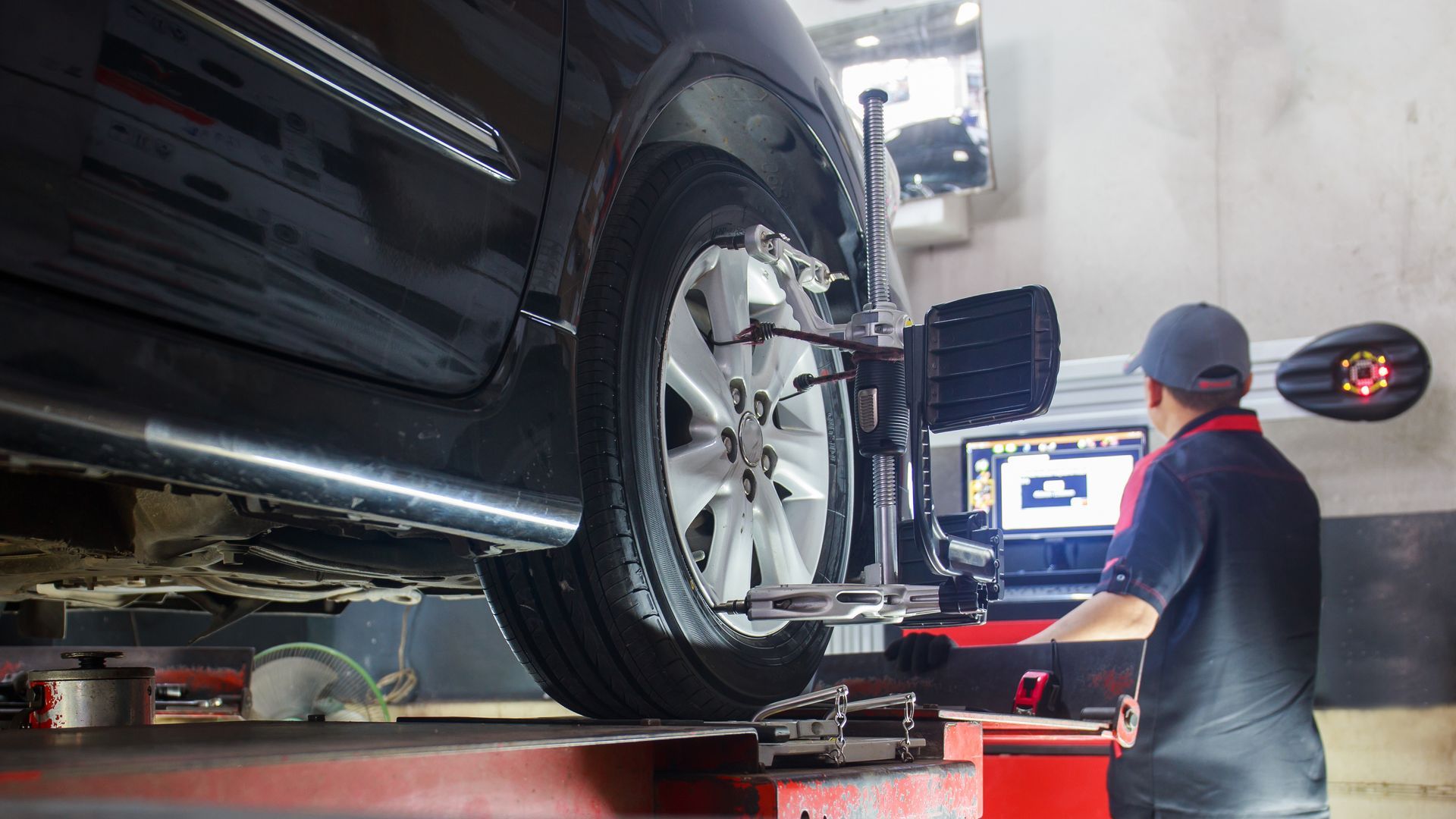
A technician may clean the wet area, raise the vehicle, and trace fresh fluid toward its highest point. Cooling systems can be pressure-tested, while slow leaks may require dye or repeat checks after the vehicle has been driven.
The fluid level, condition, warning lights, and related components should all be evaluated. The lowest drip point is not always the failed part because airflow and gravity can carry fluid across several surfaces before it falls.
Get Car Fluid Leak Repair In Bear, DE, With Zee's Alignment & Autocare
If your vehicle is leaking brake fluid, fuel, oil, coolant, transmission fluid, power steering fluid, or gear oil, Zee's Alignment & Autocare in Bear, DE, can identify the source and determine whether the car is safe to drive.