
You replaced the squealing belt, and the noise came back. It may be tempting to assume the replacement belt is defective, especially if the old one was visibly worn. Often, though, the belt was showing the effects of another problem in its path.
A new belt still has to run straight, stay under the correct tension, and turn accessories that move normally. If one of those conditions is off, fresh rubber goes through the same struggle as the old belt.
A Worn Tensioner Leaves a New Belt Slipping
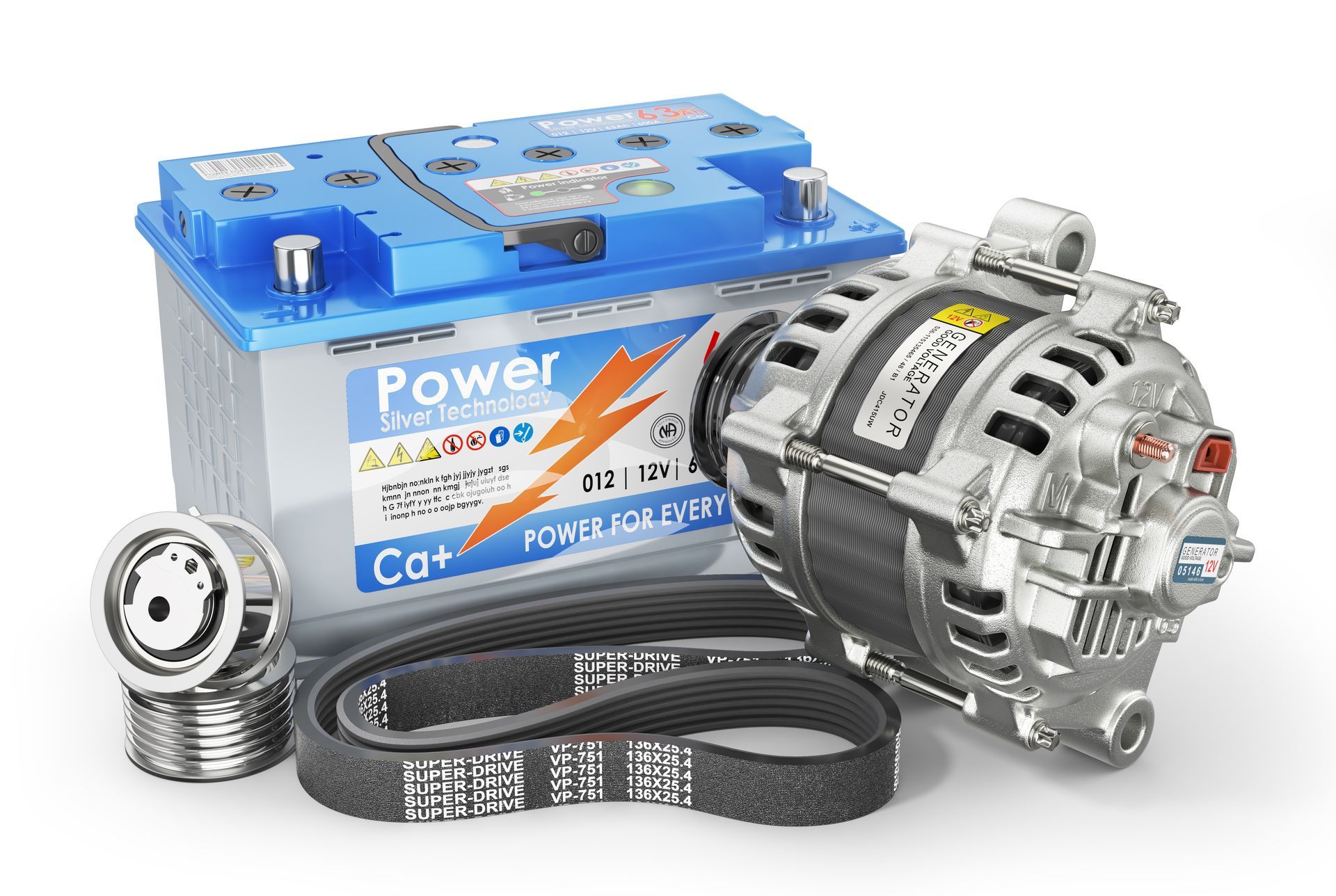
An automatic tensioner uses spring force and a damping arrangement to control belt tension as loads change. Wear in the spring, pivot, or damping mechanism reduces that control. The belt may squeal during startup, accessory engagement, or acceleration even though its ribs are new.
Excessive tensioner movement, a tilted pulley, or a position outside the required range needs checking. Fitting a shorter belt to compensate isn't a proper repair for a worn tensioner. The drive needs the correct belt and a tensioner that keeps it within the designed range.
Pulley Misalignment Makes the Serpentine Belt Chirp
A pulley sitting at the wrong angle or depth sends the belt into the next pulley unevenly. The resulting chirp can last through several belt changes. Worn bearings, damaged brackets, an incorrectly installed accessory, or movement in the tensioner pivot all create possible sources of that misalignment.
The inspection follows the belt's path and checks the parts that locate each pulley. Edge wear or fraying gives a reason to look closely at tracking. A new belt won't stay quiet for long if one rib is being pushed sideways each time it enters the grooves.
Oil or Coolant Contaminates the Replacement Belt
A leak above the accessory drive can coat a new belt shortly after installation. Contamination reduces grip and may damage the belt. Dirty pulley grooves then transfer residue back to the replacement, even if the original leak has slowed down.
The repair needs to locate the leak, assess the affected belt, and prepare the pulleys by the prescribed method. Belt dressing or another spray doesn't repair the source. It also adds another substance to a drive whose original condition needs to be understood.
The Belt Must Match the Engine and Its Routing
Similar-looking belts differ in length, width, rib count, and construction. Routing also varies by engine and accessory package. A belt that can be stretched into place isn't automatically the correct part, and a rib sitting outside its groove may not be obvious from above.
After installation, the technician checks routing and seating across every pulley. Any accessory recently replaced should be reviewed for the correct pulley and mounting position. This is especially relevant when a noise began immediately after an alternator, compressor, pump, or tensioner job.
A Driven Accessory May Be Creating Too Much Resistance
An idler bearing, alternator pulley, A/C compressor, or another accessory can create noise or excessive load. The belt then slips while trying to turn a part that isn't operating freely. Which accessories are included depends on the engine's drive arrangement.
Testing separates the belt's own noise from a bearing or driven part. That may involve checking individual pulleys with the engine stopped and the belt removed by the correct procedure. Running an engine without its belt isn't a general owner test, especially when the belt drives the water pump or other required equipment.
What to Report When Belt Noise Returns
Bring these details to the follow-up visit:
- The invoice and part information from the belt replacement
- How soon the noise returned
- Whether it happens cold, warm, or with the A/C on
- Any oil or coolant loss
A safe sound recording may help describe a brief chirp. Avoid reaching near a running belt or spraying it to change the noise. If the belt is fraying, smoke appears, or charging and temperature warnings develop, stop safely and arrange assistance.
The Final Belt Check Should Reproduce the Complaint
A quiet idle with all accessories off may miss the condition that caused the noise. The repair needs to be checked under the relevant loads and temperature conditions. A cold-start squeal calls for a cold-start review when practical; a noise with compressor operation needs that condition included.
The explanation should identify what changed since the previous belt was fitted. Finding a weak tensioner, misaligned pulley, or continuing leak gives a reason for the next repair. Repeating the same belt replacement without checking those causes leaves the original question unanswered.
Get Serpentine Belt Service in Bear, DE, With Zee's Alignment & Autocare
Zee's Alignment & Autocare in Bear, DE, can check belt noise that remains after replacement and inspect the tensioner, pulleys, routing, and driven accessories. Bring the earlier invoice and describe when the sound returns.